Social Media Marketing for Small Business: Where to Start (Without Wasting Money)

If you've ever spent hours posting on Facebook only to get three likes and zero new customers, you already know the frustration. Small business social media marketing has a reputation for being free — but in reality, it costs time, energy, and often real money, and most businesses have little to show for it. The good news: a focused, intentional strategy changes everything. You don't need a massive budget or a full-time social media manager. You need a plan that matches your goals, your audience, and the hours you can realistically commit.
Why Most Small Businesses Get Social Media Wrong
The most common mistake small business owners make is treating every platform the same. They post the same content to Facebook, Instagram, LinkedIn, and X all at once, check the analytics once a month, and wonder why nothing is growing. Social media isn't a broadcast channel — it's a conversation, and each platform has its own culture, audience expectations, and content formats.
The second mistake is chasing vanity metrics. Likes and followers feel good, but they don't pay the bills. A Minneapolis restaurant with 200 highly engaged local followers who show up every Friday is doing better than a competitor with 10,000 followers who never walk through the door. Before you post a single thing, you need to define what success actually looks like for your business — and it should be tied to real outcomes like leads, phone calls, website visits, or in-store traffic.
The third mistake is inconsistency. Posting three times a day for two weeks and then going dark for a month tells the algorithm — and your audience — that you're not reliable. Social media platforms reward consistent activity. It's far better to commit to three quality posts per week and stick to it than to sprint and burn out.
Finally, many small business owners skip the research phase entirely. They don't look at what their competitors are doing, they don't study which of their own posts perform best, and they don't read up on best practices. Resources like Hootsuite's social media strategy guide are free, thorough, and regularly updated — there's no excuse for flying blind.
Choosing the Right Platforms for Your Small Business Social Media Marketing
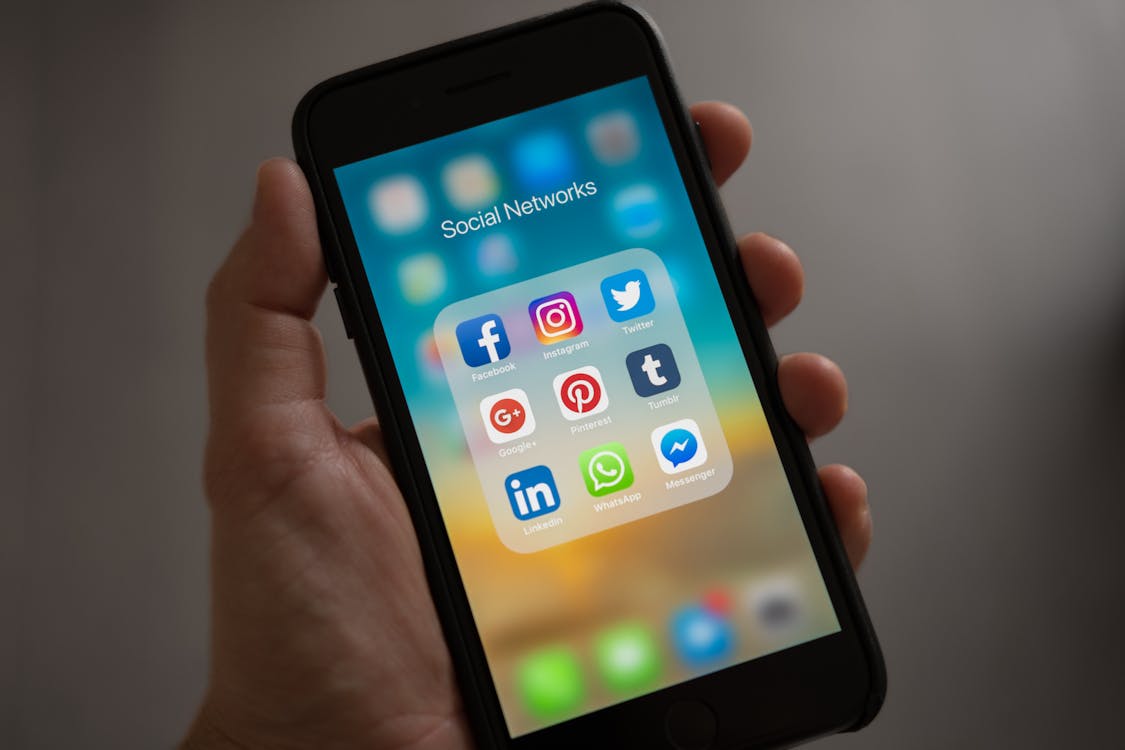
Not every platform deserves your time. Trying to maintain a presence everywhere is a recipe for mediocre content on all fronts. Instead, pick one or two platforms where your audience actually spends time and commit to doing those well.
Here's a quick breakdown to help you decide:
- Facebook: Still the most used platform overall, especially for adults 35 and older. Great for local businesses, community building, events, and paid advertising. If you serve a local Minnesota audience, Facebook Groups and targeted ads can be incredibly effective.
- Instagram: Visual-first and ideal for businesses with strong photography — restaurants, retail shops, home services, fitness studios. Reels get significantly more organic reach than static posts right now.
- LinkedIn: The right choice if you sell B2B services. If your customers are other business owners or professionals, LinkedIn is where they're making buying decisions.
- TikTok: Exploding with reach potential, especially for businesses willing to show personality and behind-the-scenes content. The learning curve is real, but the organic reach is unlike any other platform in 2025.
- Pinterest: Underrated for businesses in home decor, food, weddings, and lifestyle. Traffic from Pinterest can last months or years — very different from the fast-moving feeds on Instagram or Facebook.
Start by asking yourself: Where do my best current customers spend their time online? If you don't know, ask them. A quick conversation at checkout or a one-question email survey will tell you more than any industry report.
Building a Content Strategy That Doesn't Drain You
Content is the fuel that runs your social media engine, and most small business owners run out of it fast. The solution isn't to post more — it's to post smarter. A simple content framework makes it far easier to show up consistently without burning out.
A rule of thumb that works well for small businesses is the 4-1-1 ratio: for every six pieces of content, four should provide genuine value to your audience, one should be soft promotional, and one should be a direct call to action. This balance keeps your feed from feeling like a nonstop ad and builds the trust that makes people want to buy from you.
What counts as "valuable" content? Think about the questions your customers ask you every day. A plumber in the Twin Cities area can post about how to prevent frozen pipes in a Minnesota winter. A web designer can share tips on what makes a homepage convert. A local boutique can post styling ideas for the upcoming season. You already have the expertise — social media is just the delivery mechanism.
Batch your content creation. Set aside two hours on a Monday to plan, write, and schedule your posts for the entire week. Tools like Buffer, Later, or Meta's built-in scheduling features let you queue everything in advance so you're not scrambling every morning. If you need inspiration, our collection of social media ideas covers dozens of content formats that work across industries.
Video content continues to dominate across every platform. You don't need professional production — authentic, well-lit phone video outperforms polished corporate content on most social platforms. Show your process, introduce your team, answer a common question on camera, or do a quick before-and-after. Real is what resonates.
How to Set a Realistic Social Media Budget
"Social media is free" is one of the most expensive myths in small business marketing. Yes, creating an account costs nothing. But your time has value, and paid promotion is often the difference between content that reaches 40 people and content that reaches 4,000.
If you're managing social media yourself, honestly calculate the hours you spend per week, multiply by what your time is worth, and that's your real cost. For many business owners, that math makes a strong case for hiring help — whether that's a part-time social media manager, a local agency, or a freelancer.
For paid social advertising, Facebook and Instagram ads remain one of the most cost-effective options for small businesses, especially with local targeting. A Minneapolis landscaping company can target homeowners within a 20-mile radius by age, homeownership status, and interests. You don't need a massive budget — even $300 to $500 per month in well-targeted ads can generate meaningful results when paired with strong creative.
Here's how to think about budget allocation for a small business just getting started:
- Organic content creation: 3–5 hours per week (or outsource for $300–$800/month)
- Paid ads: Start with $200–$500/month and scale based on results
- Tools and scheduling software: $15–$50/month
- Photography or video (quarterly): $200–$500 per shoot
Track your spending against real outcomes. If you're running ads, use UTM parameters so you can see in Google Analytics exactly how much website traffic and how many leads are coming from each campaign.
Measuring What Actually Matters in Small Business Social Media Marketing
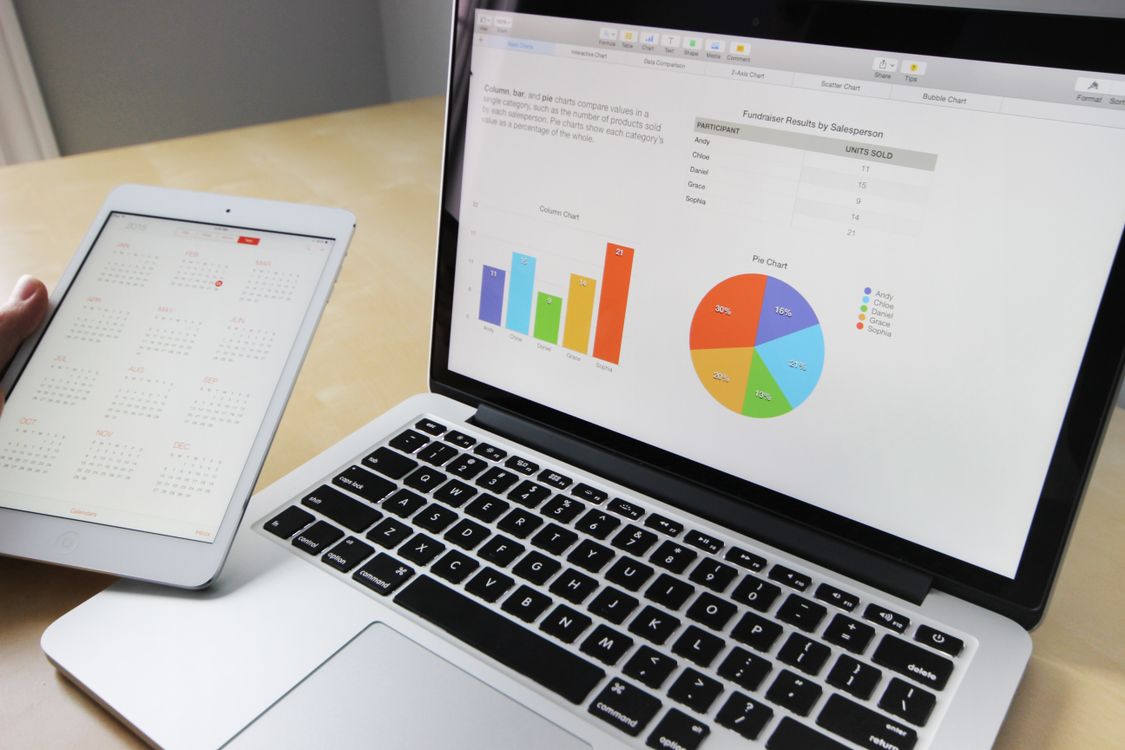
Analytics are only useful if you know which numbers to pay attention to. Forget follower counts as a primary metric. Instead, focus on the data that connects to business results.
Reach and impressions tell you how many people saw your content. This matters for brand awareness but shouldn't be your only goal. Engagement rate (likes, comments, shares, saves divided by reach) tells you whether your content is resonating. A 2–5% engagement rate is considered healthy on most platforms. Link clicks and website traffic tell you whether social media is actually driving people to your site. This is where Google Analytics and UTM links become essential.
For businesses running paid campaigns, your key metrics are cost per click (CPC), cost per lead (CPL), and ultimately return on ad spend (ROAS). If you're spending $500 per month on ads and generating $3,000 in new business, that's a strong return. If you're spending the same and can't point to a single customer, something in your targeting, creative, or offer needs to change.
Review your analytics at least once a month and use what you find to adjust your strategy. Double down on content formats and topics that perform well. Stop repeating formats that get ignored, no matter how much you personally like them. Social media strategy is not set-it-and-forget-it — it's an ongoing process of testing, learning, and refining.
Set a quarterly goal tied to business outcomes. Something like "Generate 30 qualified leads through social media this quarter" is measurable and meaningful. "Grow our Instagram following" is not a business goal — it's a vanity milestone.
Getting Started Without Overwhelm
The biggest barrier most small business owners face isn't budget or knowledge — it's knowing where to begin. The answer is simpler than you think: pick one platform, commit to one month of consistent posting, and measure what happens.
Start by completing your profile fully. A complete, professional profile with a clear description, contact information, a link to your website, and a high-quality logo builds immediate credibility. Then post three times in your first week — something that introduces your business, something that provides value, and something personal that shows the human side of what you do.
Engage with others in your local community. Comment on posts from other Minneapolis or Minnesota businesses you admire. Join local Facebook Groups where your customers hang out. Follow relevant hashtags. Social media growth is a two-way street, and businesses that only broadcast without engaging always plateau faster than those who show up as participants in the conversation.
Don't try to master everything at once. Learn one platform well before adding a second. Master organic content before layering in paid ads. Build a process that's sustainable for your team and your schedule — because consistency over time beats intensity followed by abandonment every single time.
When you're ready to take your results to the next level, the team at Website Designer MN is here to help. Our social media marketing services are built specifically for small and mid-sized businesses in Minnesota who want a strategy that's practical, data-driven, and actually tied to growth — not just likes.
Ready to Grow Your Business?
Get a free consultation with our team. No pressure, no commitment.
Get a Free Quote