Social Media Marketing for Restaurants: How to Fill More Tables With Organic Posts
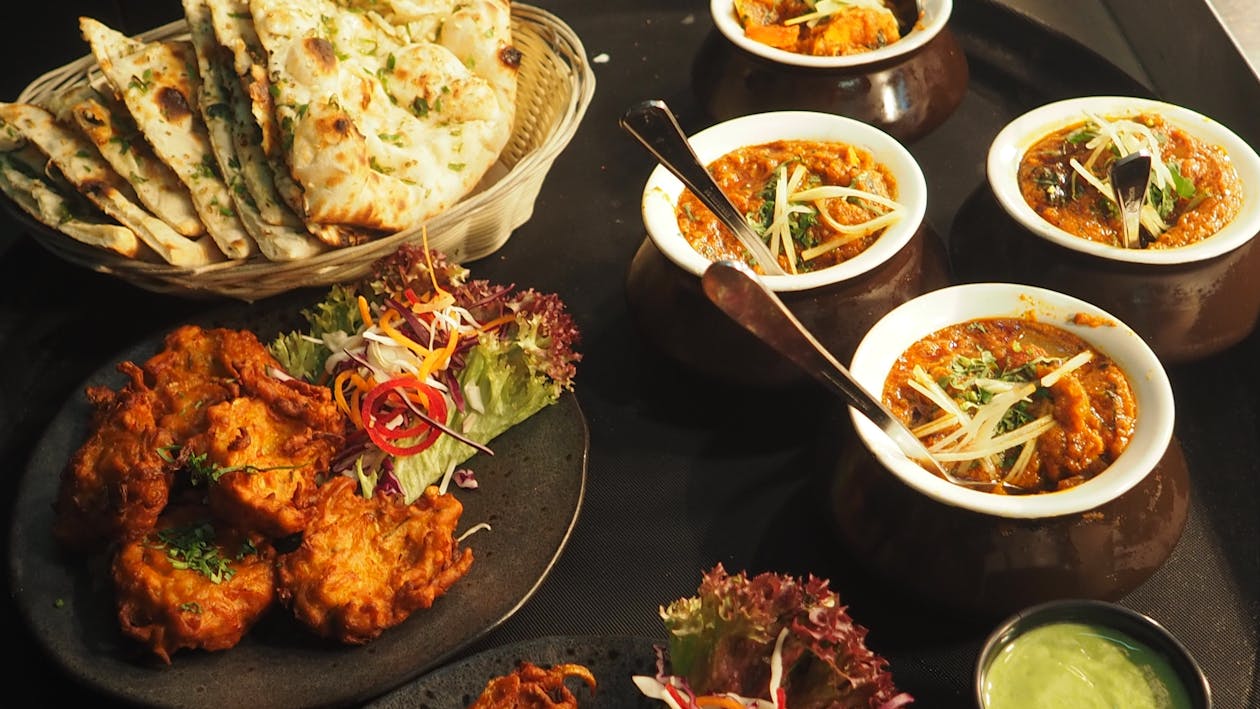
If you run a restaurant in Minneapolis or anywhere across Minnesota, social media marketing for restaurants is one of the most powerful tools you have — and most owners are barely scratching the surface. Food is inherently visual, emotion-driven, and shareable. A great photo of your signature dish can travel further than any print ad, and a behind-the-scenes TikTok of your kitchen can turn a first-time viewer into a weekly regular. The best part? You don't need a massive paid advertising budget to make it work. Organic content, when done consistently and strategically, can fill your tables night after night.
Why Social Media Marketing for Restaurants Works Better Than Almost Any Other Industry
Restaurants occupy a unique space in the social media landscape. Unlike a law firm or accounting practice, your product is something people eat, smell, and experience with every sense — and they love talking about it online. User-generated content flows naturally. People tag your location when they check in, post photos of their meals, and share their experiences with their followers. That kind of organic word-of-mouth has always driven restaurant traffic, but social media has turbocharged it.
In Minneapolis specifically, the dining scene is competitive and food culture is thriving. Diners here are adventurous, they follow food accounts, and they make decisions based on what they see scrolling through their feeds. Being active on Instagram, Facebook, and TikTok isn't just a nice-to-have — it's quickly becoming a baseline expectation for any restaurant that wants to stay top of mind.
The key insight is this: restaurants don't have to manufacture interesting content. Your chefs, your dishes, your ambiance, your staff, and your regulars are already interesting. Your job is to capture and share that authentically. Once you start thinking of your restaurant as a content studio that also serves food, the whole approach clicks into place.
Building a Content Strategy That Drives Reservations
A content strategy doesn't have to be complicated. For most restaurants, a consistent rhythm of three to five posts per week across two or three platforms is enough to build a meaningful audience. The challenge isn't coming up with content — it's being intentional about what you post and why.
Start by mapping your content to your business goals. If you want to drive weekday lunch traffic, create content that spotlights your lunch specials mid-week. If you're trying to push private dining for corporate events, film a walkthrough of your private room and highlight the experience. Every post should have a reason behind it, even if that reason is simply keeping your brand visible and your food looking irresistible.
Here are the core content types that work consistently well for restaurants:
- Dish spotlights — close-up, well-lit photos or short videos of your best-looking menu items
- Behind-the-scenes content — prep videos, chef introductions, or kitchen moments that humanize your brand
- Customer features — resharing user-generated content from guests who tagged your location
- Seasonal and limited-time offerings — create urgency around specials that won't last forever
- Local community content — celebrating local events, partnerships with Minnesota suppliers, or neighborhood stories
- Staff highlights — introduce the people behind the food; diners connect with faces, not just logos
Consistency matters more than perfection. A slightly imperfect photo posted regularly beats a flawless shoot that happens twice a year. Get into a posting rhythm, stick to it, and refine as you learn what resonates with your audience.
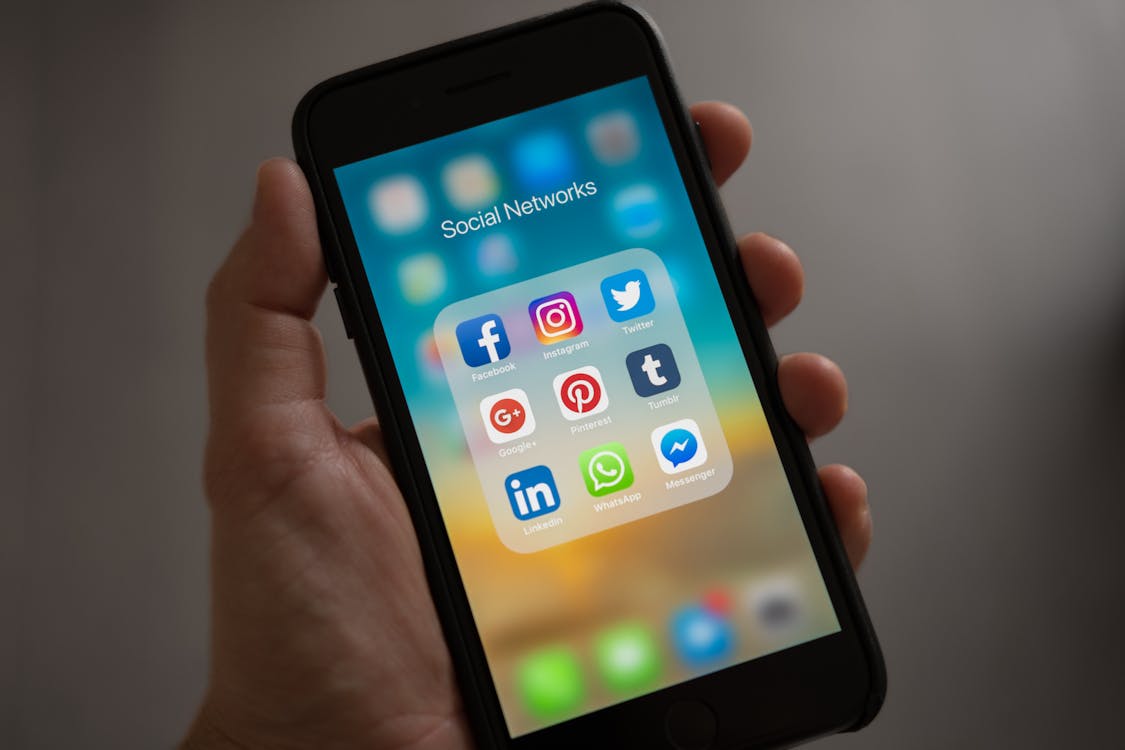
Instagram and TikTok: Where the Visual Appetite Lives
Instagram remains the gold standard for restaurant social media, and for good reason. Its visual-first format is perfectly suited to food photography, and its features — Reels, Stories, Carousels, and the main feed — give you multiple ways to reach different segments of your audience.
For Instagram, prioritize Reels above everything else. The algorithm heavily favors short-form video, and a 15- to 30-second Reel of a dish being plated, a cocktail being shaken, or a full dining room on a Friday night can reach thousands of people who have never heard of your restaurant. Use trending audio when it fits your brand, add text overlays that highlight key details (tonight's special, your address, a reservation link), and always include location tags so local diners can find you.
TikTok is increasingly where restaurants build cult followings. The platform's "For You Page" algorithm is remarkably good at surfacing niche content to the right audiences, which means a video from a small Minneapolis bistro can genuinely go viral without any paid promotion. The style of TikTok content that works for restaurants tends to be rawer and more authentic than Instagram — think process videos, day-in-the-life content, and honest storytelling rather than polished brand photography.
A few TikTok formats that consistently perform well for restaurants:
- "What I ate at [your restaurant]" — simple, first-person walkthroughs of a meal
- Recipe or technique teases — show enough of how a dish is made to intrigue viewers without giving everything away
- Staff challenges or trends — participating in platform trends while keeping it on-brand
- Response videos — answering questions from comments builds community and signals engagement to the algorithm
Don't try to be everywhere at once. Pick two platforms, learn what works on each, and master them before expanding. For most restaurants, Instagram plus either TikTok or Facebook is the right starting point.
Facebook: Still Essential for Local Restaurant Marketing
It's easy to dismiss Facebook as a platform for an older demographic, but for restaurants, it remains one of the most direct channels for reaching local diners who are actually ready to spend money. Facebook's event feature alone makes it indispensable — if you're hosting a wine dinner, a live music night, or a themed brunch, creating a Facebook event dramatically increases your discoverability.
Your Facebook Business Page also functions as a secondary website for many potential customers. People check it to find your hours, read reviews, browse photos, and send messages with questions. Keeping it updated and responsive is a basic requirement of restaurant reputation management.
For content on Facebook, longer captions work better here than on Instagram or TikTok. This is a good place to tell the story behind a dish, share news about a new menu launch, or post a heartfelt message during a community moment. Facebook users tend to engage more with text-heavy posts than they do on other platforms, and comments and shares carry significant weight in the local feed algorithm.
Run regular check-ins on your Facebook reviews and respond to every one — positive and negative. A restaurant that thanks happy guests and professionally addresses criticism signals to prospective diners that it's well-managed and cares about the guest experience. That reputation layer is something no paid ad can replicate.
If you're looking for more creative direction, our collection of social media ideas covers formats and concepts that work across industries, including plenty that restaurants can adapt directly.

Turning Followers Into Guests: The Conversion Layer
Growing a social media following feels good, but the actual goal is getting people through your door. Bridging that gap — from passive follower to paying guest — requires intentional calls to action woven throughout your content.
Every profile should have a clear link to your reservation system or your website in the bio. On Instagram, use the link-in-bio tool to point to a simple landing page with your menu, hours, and a reservation button. On TikTok and Facebook, the same principle applies. Make it frictionless for someone who just watched your Reel to immediately book a table before the impulse fades.
Within your posts, use clear and specific calls to action rather than vague prompts. Instead of "come visit us," try "Reserve your spot for Friday dinner — link in bio" or "Tag someone you'd bring for our Saturday brunch." Specific invitations perform better because they give the audience something concrete to do.
Stories and time-limited content create a sense of urgency that regular posts don't. A Story announcing that you have only eight seats left for a special tasting menu, or that today's special runs out at 7pm, triggers immediate action in a way that a polished feed post never will. Use Stories regularly, keep them current, and don't be afraid to be direct about driving reservations.
Engagement also feeds the algorithm. Respond to every comment, reply to DMs promptly, and ask questions in your captions to invite responses. The more your community interacts with your content, the more the platform shows it to new people — and the more your audience feels a personal connection to your brand.
Conclusion
Social media marketing for restaurants is one of the highest-return investments a Minnesota restaurant owner can make, and the foundation is simpler than most people think: show up consistently, make your food look incredible, and give people a reason to act. Whether you're a neighborhood diner in South Minneapolis or a fine dining destination in the North Loop, the same principles apply. If you're ready to take your restaurant's social presence to the next level with professional strategy and execution, the team at Website Designer MN offers dedicated social media services built for local businesses that want real results — not just likes.
Ready to Grow Your Business?
Get a free consultation with our team. No pressure, no commitment.
Get a Free Quote