Social Media Marketing Campaigns That Actually Work (With Real Examples)
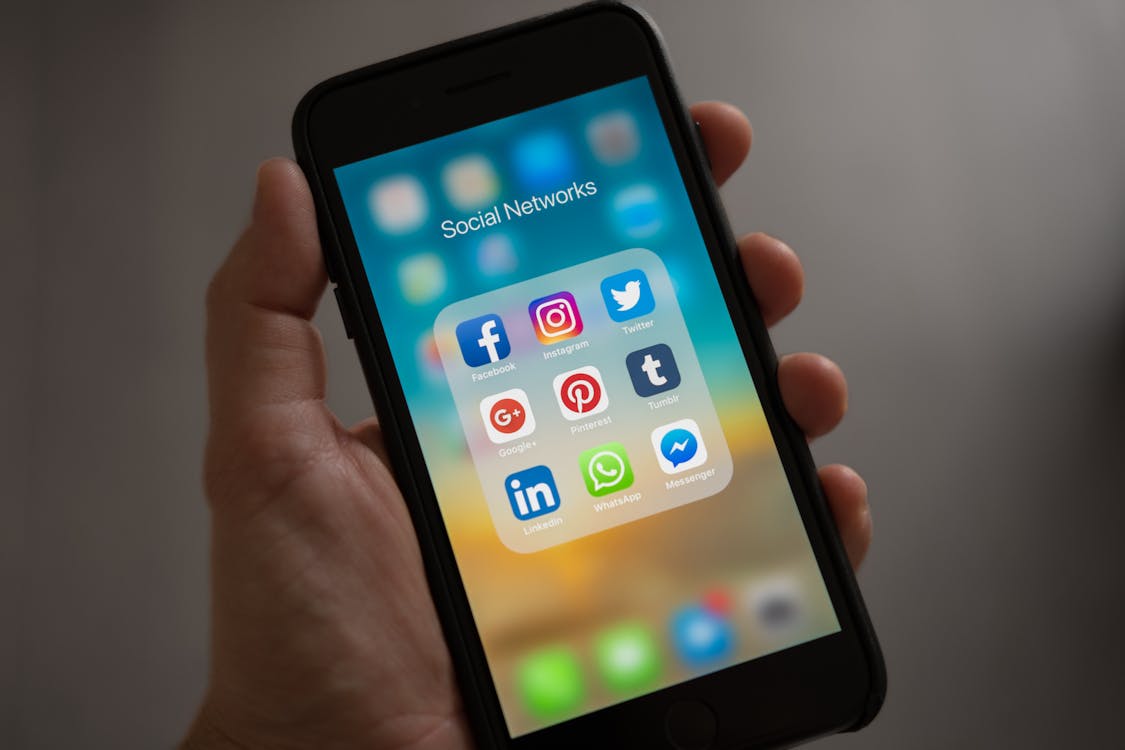
Most businesses know they need to be on social media. Far fewer know how to run social media marketing campaigns that actually move the needle. There's a wide gap between posting content and running a campaign — and if you've ever boosted a post hoping for leads and watched the budget disappear with little to show for it, you already know the difference. The good news is that effective campaigns follow repeatable patterns. Understanding those patterns is how Minneapolis businesses — from local retailers to B2B service firms — turn social media from a time sink into a genuine revenue driver.
What Separates a Campaign From Just Posting Content
A campaign has a defined objective, a start and end date, a target audience, a creative strategy, and a way to measure success. Random posts don't. This distinction matters because campaigns allow you to make intentional decisions at every stage: who you're trying to reach, what action you want them to take, and whether your budget is working efficiently.
Think about a Minneapolis restaurant running a campaign to fill seats during a slow Tuesday night. That's different from just posting a food photo on Instagram. A campaign version might include a geo-targeted Facebook ad with a time-limited offer, a retargeting sequence for people who visited the website in the last 30 days, and a follow-up story series showing behind-the-scenes content to build familiarity. Each piece serves the objective.
The clearest campaigns are built around a single conversion goal. That might be email signups, product purchases, appointment bookings, or lead form submissions. When you try to accomplish too many things at once, your messaging gets diluted and your targeting gets fuzzy. Pick one goal per campaign and build everything else around it.
Budgeting also works differently in campaigns than in one-off posts. Campaigns let you test creative variants, reallocate spend toward what's working, and plan for the full customer journey — awareness to consideration to conversion — rather than hoping a single post does all the heavy lifting.
How to Build Social Media Marketing Campaigns With Clear Goals
Goal-setting is where most campaigns go wrong before they even launch. Vague goals like "increase brand awareness" or "grow our following" are too abstract to optimize for. Strong campaign goals are specific, tied to a timeframe, and connected to a business outcome you actually care about.
A well-structured goal sounds like: "Generate 50 qualified leads for our home remodeling service in the Twin Cities area over 30 days with a cost per lead under $25." That goal tells you what platform to use, what kind of creative to build, what landing page to design, and how to judge whether the campaign succeeded.
From that goal, work backward through the funnel. If you need 50 leads and your landing page converts at 10%, you need 500 visitors. If your ad click-through rate is 2%, you need 25,000 impressions. Now you know your minimum ad spend, which audience size you need, and roughly what your creative has to accomplish. This math is often skipped, and it's why so many campaigns end in shrugs.
For B2B companies in Minnesota, LinkedIn campaigns built around lead generation forms have consistently outperformed simple awareness plays. The native lead forms reduce friction dramatically — a prospect never leaves LinkedIn — and the targeting by job title, company size, and industry makes the audience genuinely relevant rather than just large.

Real Campaign Examples Worth Studying
Looking at social media examples from brands that have done this well can shortcut your learning curve significantly. Here are three campaign structures that have proven effective across industries.
The Local Awareness + Offer Campaign. A home services company targets homeowners within a 20-mile radius with a Facebook/Instagram campaign offering a free estimate. The creative shows before-and-after results. Retargeting ads follow up with testimonials and urgency messaging. This campaign structure works for any local service business and is particularly effective in the Minneapolis metro where competition for home services is high.
The Content + Retargeting Funnel. An educational or professional services firm publishes a genuinely useful piece of content — a guide, a checklist, a mini-course — and promotes it with a low-cost traffic campaign. Everyone who engages gets added to a retargeting audience and served conversion-focused ads over the following two to four weeks. This works especially well for firms where the sales cycle is longer and trust needs to be built before someone reaches out.
The Product Launch Sequence. An e-commerce brand builds anticipation with a teaser campaign, launches with an exclusive early-access offer for email subscribers, then runs broad acquisition campaigns with social proof from early buyers. Each phase has different creative and different audience targeting, but they all serve the same launch objective.
For a deeper look at campaign strategy across platforms, Neil Patel's social media guide covers channel-specific tactics that complement what you'll build at the strategy level.
Targeting and Creative: The Two Levers That Determine Results
Even a perfectly structured campaign fails if the targeting is off or the creative doesn't stop the scroll. These two elements deserve more attention than most businesses give them.
On targeting: the instinct is usually to go broad because it feels safer. In practice, a tighter, more relevant audience almost always outperforms a large, loosely defined one. Facebook and Instagram allow you to layer interests, behaviors, demographics, and custom audiences built from your own customer data. Use that precision. A Minneapolis-based CPA firm targeting small business owners in Hennepin County with payroll-related concerns will outperform one targeting "business owners" nationwide at every metric that matters.
Lookalike audiences are particularly powerful once you have enough first-party data. Upload a list of your best customers and let the platform find people who share similar characteristics. Combined with geographic targeting, this lets even small businesses punch above their weight in local markets.
On creative: the best-performing creative in 2024 and going into 2025 tends to look native to the platform — it doesn't scream "ad." User-generated content, real customer testimonials filmed on a phone, and honest before-and-after imagery consistently outperform polished studio production in most verticals. That's good news for smaller businesses that don't have big creative budgets.
Test at least two to three creative variants when you launch. Let the data tell you what's working rather than guessing. Run your test for at least five to seven days before drawing conclusions, and don't change multiple variables at once — if you change the headline and the image simultaneously, you won't know which one drove the difference.

Measuring Performance and Knowing When to Adjust
Tracking the right metrics is what separates learning from guessing. Vanity metrics — likes, reach, impressions — tell you something about exposure but nothing about business impact. The metrics that matter are tied directly to your campaign goal: cost per lead, cost per acquisition, return on ad spend, or conversion rate depending on what you set out to achieve.
Set up conversion tracking before you launch. This means installing the Meta Pixel on your website, configuring Google Tag Manager events, or using platform-specific lead tracking — whatever matches your campaign objective. Without this, you're flying blind on what the campaign is actually producing.
During a campaign, the most common adjustment triggers are a high cost per result (usually means the audience or offer needs work), a low click-through rate (usually a creative problem), or a high click-through rate with low conversions (usually a landing page problem). Each symptom points to a different fix, which is why breaking the funnel into stages makes diagnosing underperformance much faster.
Effective social media marketing isn't set-and-forget. Plan to review performance every three to five days during an active campaign. Make one change at a time, give it time to register, and document what you learn. Over several campaigns, this discipline compounds into real competitive advantage.
Putting It All Together for Your Next Campaign
Running social media marketing campaigns that actually work comes down to a few non-negotiable principles: one clear goal, a well-defined audience, creative that earns attention, and disciplined measurement. Minnesota businesses that apply these consistently — rather than dabbling in boosted posts — are the ones building real pipelines through social channels.
The tactical details matter, but the strategic clarity matters more. Know what success looks like before you spend the first dollar. Build every creative and targeting decision in service of that definition. And treat each campaign as a learning opportunity, not just a transaction.
At Website Designer MN, we help Minneapolis-area businesses run social media marketing campaigns that connect strategy to measurable outcomes. Whether you're starting from scratch or refining a system that isn't producing the results you need, we can help you build something that works.
Ready to Grow Your Business?
Get a free consultation with our team. No pressure, no commitment.
Get a Free Quote